Punti chiave
- Maschiatura è il metodo predefinito per le filettature interne in fori pre-forati — semplice, veloce e adatto a qualsiasi volume.
- Die threading suits external threads on rods and studs at low to medium volume.
- Thread milling handles large diameters, hard materials, and multiple thread sizes with one CNC tool.
- Thread rolling forma a freddo filettature con una resistenza a fatica circa del 30–50% superiore — la scelta di produzione per elementi di fissaggio sotto carico ciclico.
- Lathe single-point threading is the most flexible route for custom and non-standard threads.
- La tabella di confronto seguente fornisce un riferimento decisionale affiancato prima di procedere metodo per metodo.
Introduzione: perché le filettature contano nella fabbricazione dei metalli
Le filettature fissano, regolano e trasferiscono forza in quasi ogni assemblaggio meccanico — e il modo in cui le produci determina la resistenza, la precisione e il costo del pezzo finito. Nella lavorazione dei metalli, cinque metodi dominano: Maschiatura for internal threads, die threading for external threads, thread milling for large or non-standard diameters, thread rolling for high-strength production runs, and lathe single-point threading for custom work.
Questa guida illustra come funziona ciascun metodo, dove eccelle, dove è carente e come scegliere tra di essi in base al materiale, al volume di produzione e ai requisiti di tolleranza.
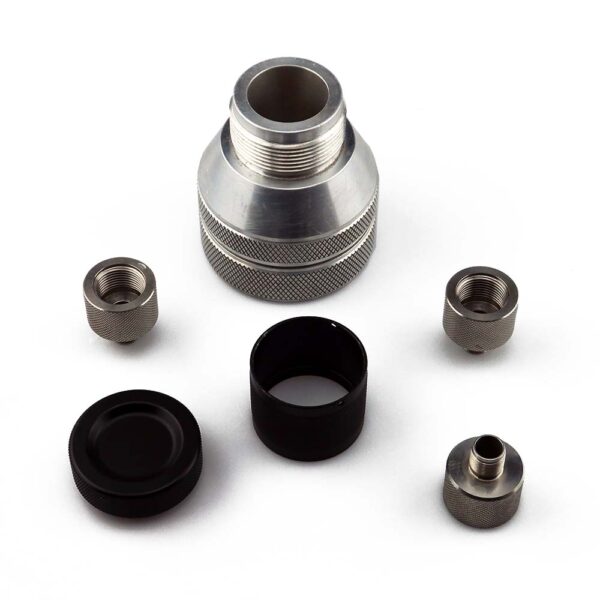
Confronto Rapido: Cinque Metodi di Fabbricazione di Filettature
The table below condenses the five methods covered in this guide into a single decision reference. Match your thread location (internal vs external), production volume, and strength requirements against each process before committing to a manufacturing route. For external threads on shafts and fasteners, our Servizio di Tornitura CNC handles both single-point threading and die threading in-house.
| Method | Thread Type | Precisionee & Consistency | Relative Speed | Best For |
|---|---|---|---|---|
| Maschiatura | Internal | Buono — adattamenti standard di classe 6H | Fast (seconds per hole) | Blind & through holes, any volume |
| Threading with Dies | External | Buono — adattamenti standard di classe 6g | Fast | Rods, studs, repair work, low volume |
| Thread Milling | Internal & External | Eccellente — un utensile taglia più passi e diametri | Moderate | Large diameters, hard materials, flexible pitch requirements |
| Thread Rolling | External | Eccellente — formato a freddo, altamente ripetibile | Very fast (high volume) | High-strength fasteners, mass production |
| Lathe Single-Point | External & Internal | Più flessibile — passi personalizzati e non standard | Slower per part | Custom threads, large or odd sizes, prototypes |
One data point worth highlighting: because thread rolling cold-forms the profile instead of cutting it, the material grain flows continuously around the thread root and gains compressive residual stress. Industry fastener testing consistently shows le filettature a rulli offrono una resistenza a fatica circa del 30–50% superiore rispetto alle filettature tagliate, e uno studio del 2025 presentato alla Conferenza Internazionale sulla Pallinatura ha misurato una resistenza a fatica di 113,8 MPa per le filettature a rulli contro 45,1 MPa per le filettature tagliate su campioni comparabili. Se la tua parte filettata è soggetta a carichi ciclici — vibrazioni, coppia ripetuta, cicli di pressione — specifica filettature a rulli per la produzione e verifica la classe di tolleranza sul disegno secondo le nostre tolerance standards guide.
Maschiatura: taglio di filettature interne
La filettatura è un metodo tradizionale e rispettato nel mondo della produzione di filettature, utilizzato specificamente per tagliare filettature interne. Questo processo, perfezionato nel tempo, è essenziale per produrre la parte femmina dell'accoppiamento della filettatura. Non si tratta solo di scavare spazio; la filettatura modella un profilo che deve allinearsi perfettamente con la sua controparte maschio per un assemblaggio senza interruzioni.
Il processo di maschiatura
Nella sua forma più semplice, la filettatura a maschio coinvolge un maschio — un utensile da taglio con filettature corrispondenti a quelle previste per il prodotto finale. Un maschio viene allineato con precisione a un foro pre-forato nel pezzo metallico e, ruotando, i suoi bordi affilati incidono il materiale per formare filettature precise. Le complessità del design del maschio, incluso il numero di scanalature o bordi di taglio e la sua geometria, svolgono un ruolo cruciale nella gestione dei trucioli prodotti durante il taglio, garantendo una filettatura pulita e accurata.
Tipi di maschi e loro applicazioni
Taps come in varie versioni for different Applicaziones. Straight-flute taps are the most basic and widely used, especially for hand Maschiatura, but they can be limited in their chip evacuation capacity. Spiral point taps, noti anche come 'maschi a pistola', spingono i trucioli in avanti per evitare intasamenti e sono ideali per fori passanti. Spiral flute taps, on the other hand, are designed to pull chips away, making them suitable for blind holes.
Tandem taps combina operazioni di sgrossatura e finitura in un unico utensile, aumentando l'efficienza negli ambienti di produzione di massa. Ogni tipo serve uno scopo unico, bilanciando velocità, qualità della finitura e facilità di utilizzo in base alle esigenze dell'applicazione.
Vantaggi e limiti della maschiatura
I vantaggi della filettatura a maschio sono numerosi. È una tecnica relativamente semplice che non richiede macchinari complessi, rendendola accessibile e conveniente. La flessibilità della filettatura manuale permette di filettare in aree strette o difficili da raggiungere dove le macchine non possono operare.
Tuttavia, ci sono limitazioni. La filettatura a maschio può essere dispendiosa in termini di tempo, specialmente nelle operazioni manuali, e la qualità delle filettature dipende fortemente dall'abilità dell'operatore.
Best for: internal threads in drilled holes, blind or through, at any volume.
Avoid when: il foro è molto grande in diametro o il materiale è troppo duro per i maschi — considera invece la filettatura a fresatura.
Filettatura con filiere: filettature esterne su barre e prigionieri
Quando si tratta di formare filettature esterne, l'uso di filiere prende il centro della scena. Come uno scalpello di un artigiano, una filiera scolpisce meticolosamente la superficie di un'asta o di un pezzo in lavorazione in una spirale di picchi e valli. Questo metodo, elogiato per la sua precisione ed efficienza, è diventato un punto fermo nelle officine di lavorazione dei metalli in tutto il mondo.
Capire le filiere per filettatura
Una filiera è un utensile racchiuso da una serie di taglienti affilati progettati per corrispondere al profilo della filettatura desiderata. The die is placed around the circumference of a cylindrical workpiece and applied with pressure as it rotates, cutting into the metal to carve out the external threads. There are different die configurations, each tailored for specific operations and results.
Varietà di stampi
Split-adjustable dies offer customization for the thread diameter and can be recalibrated for wear, ensuring longevity and consistent accuracy. Solid dies are typically used for their durability and are often preferred for uniform, high-volume threading tasks. There are also self-opening die heads, which can automatically release from the workpiece after completing a threading operation, boosting productivity in automated setups.
Vantaggi e limiti della filettatura con matrice
The primary advantage of using threading dies lies in their ability to produce precise and uniformly shaped threads quickly and repeatedly, ideal for large-scale production runs. Dies are relatively easy to use with a wrench or in a machine, allowing for versatility in manufacturing workflows.
On the flip side, dies can become worn over time, which may affect the quality of the threads and necessitate replacement or re-adjustment. Additionally, not all dies are suitable for all materials; harder materials might require specialized or pre-treated dies to avoid damage and ensure a clean cut.
Applicazioni e migliori pratiche
Threading with dies is well-suited for high-volume production where consistent thread quality is paramount. The process is favored for creating bolts, screws, and other fasteners that require standardized external threads. Best practices include proper alignment of the die with the workpiece, selecting appropriate die materials for the metal being threaded, and ensuring adequate lubrication during operation to minimize friction and wear.
In Conclusione, threading with dies remains an integral part of thread manufacturing, providing metal fabricators with a reliable means to produce strong and accurate external threads for a myriad of Applicaziones.
Best for: external threads on rods, studs, and repair work at low to medium volume.
Avoid when: hai bisogno di un output ad alto volume o della massima resistenza a fatica — la filettatura a rulli è la via di produzione migliore.
Fresatura di filetti: Flessibilità CNC per parti grandi e dure
As the demand for versatility and precision in thread manufacturing escalates, thread milling emerges as a sophisticated solution. This CNC-driven process combines the advantages of controlled machining with the ability to produce threads of varying sizes, pitches, and configurations all on the same machine.
La Tecnica Dietro la Fresatura di Filettature
La fresatura della filettatura richiede una macchina CNC dotata di un utensile da taglio progettato per fresare le filettature in un pezzo. The milling cutter follows a helical path that corresponds to the desired thread profile, engaging the material with a combination of rotary and lateral movements. The precision of CNC programming allows for intricate control over thread dimensions, resulting in high-quality threads with excellent surface finish and dimensional accuracy.
Vantaggi della fresatura CNC di filettature
One of the most significant benefits of thread milling is its adaptability. With the right programming, a single machine can produce numerous thread profiles without the need to change tools, saving time and reducing the cost associated with having a large inventory of taps and dies. Thread milling is also known for producing threads with higher strength due to the superior cut surface, and it can be performed on both internal and external surfaces.
Furthermore, thread milling excels when working with tough materials or large, bulky parts where other threading methods might falter. The process also eliminates concerns about chip evacuation, since the CNC machine can be programmed to manage chip size and removal efficiently.
Limitazioni e considerazioni
Nonostante i suoi numerosi vantaggi, la fresatura di filettature non è priva di limitazioni. La necessità di attrezzature CNC comporta costi iniziali più elevati e la necessità di operatori qualificati con familiarità nella programmazione e nell'operazione della macchina. C'è anche un limite alla dimensione delle filettature che possono essere fresate, dettato dalle capacità della macchina e dalla disponibilità di frese per filettature adeguate.
Quando usare la fresatura di filetti
Thread milling is particularly advantageous for Applicaziones requiring Alta precisione or where there is a need for threading close to the bottom of a blind hole. It is an excellent choice for specialty threads or when working with materials prone to producing difficult-to-manage chips. The method is further applicable when producing large-diameter threads or when working within tight Tolleranze is crucial.
In Conclusione, thread milling represents a modern, versatile approach to thread manufacturing, bridging the gap between flexibility and precision, making it a valuable technique for contemporary metal fabrication.
Best for: large diameters, hard materials, thin-walled parts, and shops that want one tool for many thread sizes.
Avoid when: il tempo di ciclo per pezzo conta più della flessibilità — la filettatura o la rullatura è più veloce per le dimensioni standard.
Rullatura di Filettature: Filettature Formate a Freddo per la Produzione
La laminazione della filettatura si distingue come una forza potente nella produzione di filettature che modella il metallo in filettature attraverso un processo di deformazione plastica. Unlike cutting operations, thread rolling reshapes the workpiece material, resulting in threads that are not just formed but forged with strength and durability.
I Fondamenti della Rullatura di Filettature
At the core of thread rolling is a pair of hardened steel dies, containing the negative of the thread form. The workpiece is placed between these dies, which then exert immense pressure, displacing and flowing the metal into the form of the thread. This process generates no cutting waste and results in a work-hardened, smooth-surfaced thread with enhanced resistance to fatigue and shear.
Il vantaggio della rullatura di filetti
The advantages of thread rolling are profound, particularly when considering the strength and quality of the product. The cold working effect of rolling strengthens the material da realigning its grain structure along the contour of the threads. This process yields threads that are consistent in quality and possess a high level of fatigue resistance, making them ideal for high-stress Applicaziones.
Another hallmark of thread rolling is its Efficienza. The process is swift and continuous, capable of producing threads in mere seconds per part. This equates to not only rapid throughput but also a marked reduction in production costs compared to other threading methods.
Limitazioni e applicazioni
Thread rolling, however, comes with its set of limitations. It requires ductile materials to accommodate the deformation process, which means harder materials may not be suitable candidates. Moreover, threads can only be rolled up to a certain length and diameter, governed da the capacity of the rolling machines and dies.
Yet, in Applicaziones where these constraints are not prohibitive, thread rolling is unparalleled. It is the method of choice for high-volume production runs, like fasteners and automotive components, where cost-effectiveness, thread quality, and speed are paramount.
Precisioneee e costo al volume di produzione
Despite the initial investment in thread rolling machinery and dies, the amortized cost over high production volumes is minimal. And with advancements in control technology, modern thread rolling machines are capable of achieving strict Tolleranze on par with precisely machined threads.
Whether in the realms of aerospace, automotive, or anywhere robust threaded components are essential, thread rolling delivers performance that not only meets but often exceeds the stringent expectations of these high-demand industries.
In Conclusione, thread rolling is a transformative process, a method that not only shapes metal but also tempers and toughens it, creating threads that stand up to the toughest Applicaziones with extraordinary proficiency.
Best for: filettature esterne ad alto volume e elementi di fissaggio sotto carico ciclico — la filettatura più resistente tra tutti i metodi.
Avoid when: you need internal threads, very hard pre-hardened material, or one-off quantities.
Tornitura: filettatura a punto singolo per lavori personalizzati
Lathe Machining is a time-honored and fundamental method for creating both internal and external threads, valued for its versatility and precision. Da employing a lathe, this traditional technique continues to be indispensable in modern manufacturing when custom or intricate threading is required.
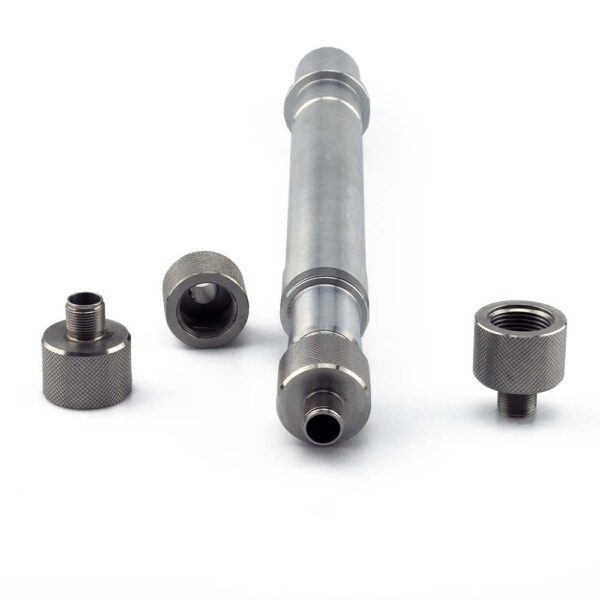
Come funziona la tornitura
Nella lavorazione al tornio, il pezzo viene fissato saldamente e ruotato a una velocità costante. Un utensile da taglio, accuratamente affilato secondo il profilo della filettatura specifica necessaria, viene poi avanzato con precisione nel pezzo lungo un percorso predeterminato, generalmente guidato dal tornio. lead screw. Questa azione di taglio rimuove materiale per formare i solchi e i picchi della filettatura in un modello elicoidale lungo il pezzo.
Versatilità e controllo
One of the key advantages of lathe machining is the immense control it offers. Skilled machinists can manipulate the cutting tool path, depth of cut, and feed rate to create threads that meet diverse specifications, including various thread pitches and diameters. The technique is equally adept at cutting threads on the inside of a bore (internal threading), as it is on the outside of a rod or cylinder (external threading).
The flexibility of lathe machining also extends to the fact that almost any workpiece material can be threaded, from soft plastics to hard metals, making it a universally applicable method across industries.
Confronto con altri metodi
Unlike rolling or pressing, where material is deformed, lathe machining removes material, which can be an asset when working with brittle materials. In comparison to Maschiatura and using dies, lathe machining excels in producing custom threads and is not confined da tap or die sizes.
However, lathe machining can be slower than other methods like Maschiatura or rolling, particularly for high-volume production. It also produces cutting waste (in the form of chips), which must be managed and disposed of properly.
Applicazioni per la lavorazione al tornio
La lavorazione al tornio è particolarmente utile per filettature personalizzate o speciali, sviluppo di prototipi e produzioni a volume medio-basso dove la configurazione di macchine dedicate per la filettatura a rulli non è economicamente vantaggiosa. È anche preferita per applicazioni che richiedono alta precisione, come nel settore aerospaziale, parti automobilistiche personalizzate o macchinari industriali specializzati.
Dove si colloca oggi la filettatura al tornio
This classic threading method retains its prominence in the manufacturing realm due to its unwavering ability to produce tailor-made threads with exceptional accuracy. Lathe machining embodies the synthesis of skill, precision, and adaptability, Incisione chimica its value deeply in the foundation of modern mechanical construction.
In Conclusione, lathe machining is a testament to the art of thread crafting, offering the finesse and customization necessary for specialized Applicaziones where every thread counts.
Best for: custom, non-standard, large, or low-volume external and internal threads on turned parts.
Avoid when: il volume è alto e la filettatura è standard — i metodi dedicati sopra sono più veloci per pezzo.
Come Scegliere il Giusto Metodo di Fabbricazione di Filettature
Selecting the appropriate method for thread manufacturing is crucial and can have profound impacts on both the quality of the end product and the Efficienza of production. With an array of methods available, the decision must be informed da an understanding of their respective strengths and limitations.
Analisi delle specifiche di materiale e design
The journey to choose the right method begins with a careful analysis of the material properties and the specifiche tecniche of the part. Some materials may be more amenable to thread rolling due to their ductility, while harder materials might be better suited to thread milling or lathe machining where material is cut away.
Design specifications, such as thread diameter, pitch, and tolerance levels, also dictate compatibility with various threading processes. Additionally, the requirement for thread forms like Acme, metric, or pipe threads can influence the selected method.
Considera Volume di Produzione e Costi
High-volume projects often favor methods like thread rolling, where the improved cycle speed and absence of cutting waste result in lower per-unit costs. Conversely, for lower-volume or custom threads, the versatility of lathe machining or thread milling can be more practical, despite their relatively higher setup times and costs.
Valutare l'Importanza della Qualità e della Durabilità
Thread quality is paramount, with factors like surface finish, dimensional accuracy, and thread integrity taking center stage. Threading methods that involve deformation, such as rolling, create threads with enhanced fatigue resistance, making them ideal for high-stress Applicaziones. Controllo qualità must also be considered, with some methods making certain types of inspection easier or harder.
Disponibilità di Attrezzature e Competenza
The decision often hinges on the equipment available in a facility and the skill level of the workforce. The necessity of specific machines like CNC mills or thread rollers, and the expertise required to operate such machinery, play into choosing the most feasible method for a given operation.
Prendere la decisione migliore per la tua operazione
Ultimately, the choice of thread manufacturing technique balances technical requirements with operational constraints or advantages. Factors like lead times, equipment and tooling costs, desired finish, and workpiece material will guide manufacturers to the most efficient and appropriate method.
In Conclusione, choosing the right thread manufacturing method is a strategic process that integrates multiple facets of the manufacturing environment. Da considering material suitability, requisiti tecnici, production volumes, quality expectations, and available resources, manufacturers can ensure that they invest in the right process to meet their threading needs with precision and Efficienza.
Conclusioneeee: abbina il metodo al pezzo
Non esiste un unico modo migliore per fare una filettatura — solo il modo migliore per una determinata parte. Maschiatura and die threading cover everyday internal and external work; thread milling buys flexibility and precision on demanding geometry; thread rolling wins on strength and speed at volume; single-point lathe threading gestisce tutto su misura. Parti dalla tua specifica di filettatura, materiale e volume annuo — il processo giusto di solito si seleziona da solo. E se preferisci non prendere questa decisione da solo, inviaci il tuo disegno: ti consiglieremo la via di filettatura più economica come parte di una revisione DFM gratuita.
Hai bisogno di parti filettate personalizzate? Ottieni un preventivo CNC
BravoFabs produce componenti filettati di precisione — filettatura a maschio, fresatura di filettature, tornitura a punto singolo e approvvigionamento di filettature a rulli per specifiche UN, UNC, metriche e personalizzate. La nostra struttura certificata ISO a Dongguan, Cina, fornisce parti filettate con tolleranze strette e ispezione completa con calibri per filettature per clienti industriali in Germania, negli Stati Uniti e in tutta Europa.
🔗 Servizi e articoli correlati sulla produzione
- Precisionee Lavorazione CNC Service — fresatura a 3 assi e 5 assi con filettatura a maschio e fresatura di filettature, rapporti QC completi
- Servizio di Tornitura CNC — filettatura a punto singolo, alberi personalizzati, boccole e parti rotanti
- 8UN vs UNC Thread: Specifications & Differences — quale serie di filettature UN si adatta alla tua applicazione
- Tolerance Standards: ISO 2768 & ASME Y14.5 Guide — come specificare gli adattamenti delle filettature sui disegni
- QC Inspection Devices for Metal Fabrication — calibri per filettature e come verifichiamo ogni lotto
Explore Related Manufacturing Servizi
Precisionee turned parts. UN, UNC, metric threads.
Precisionee CNC milling, turning & 5-axis machining.